Residential Roof Installation: Considering Metal Roofs via Installation and Repair Services
A residential metal roof can look simple from the street, but the experience of living with one comes down to details most homeowners never see. The way panels are laid, how flashings are handled, how fasteners are set, what gets done at penetrations like vents and chimneys, and how the structure beneath is assessed all influence whether the roof performs quietly for decades or starts demanding repairs long before it should.
If you are weighing metal for a residential roof installation, or you are already dealing with roof trouble and want metal roof installation and repair options on the table, it helps to think like a contractor: identify what is failing, determine whether the roof system has time left, and match the right repair or roof replacement approach to the real conditions, not just the visible surface.
When repair makes sense, and when replacement is the more honest answer
Most roof repair conversations start with a Commercial Roof Replacement leak report, a storm memory, or a roof inspection that raises red flags. The next decision is whether to pursue roof replacement or to keep the existing system alive with targeted roof leak repair. Professional contractors typically make that call after evaluating damage patterns and roof age, and major manufacturers advise using a professional to decide whether repair or replacement is best.
A practical rule of thumb often holds: small, isolated problems can often be repaired, while older roofs, widespread damage, recurring leaks, or multiple trouble spots may justify replacement. That guidance matters because roofs are systems. If the problem is only at one location, patching can be a reasonable path. If the damage shows up in several places, or the roof has already lived through years of exposure, the likelihood that the underlying vulnerabilities will reappear goes up.
In some cases, you do not just face “repair versus replacement,” you face “what kind of replacement.” Roof replacement After Leak is a good example. A leak can be a symptom, not the root cause. Water intrusion can saturate materials around a penetration or along a seam, and after the repair, those areas may behave differently because they have already absorbed moisture. That is one reason roof replacement after a leak often leads to broader work than homeowners expect, such as addressing flashings and ridge areas and confirming the integrity of the layers beneath.
Weather and hazards also change the conversation. Insurance and loss scenarios often force speed, which is where Emergency Roof Repair comes in. Emergency work is about stopping water and preventing further damage, but it still should connect to a longer-term plan. Properly designed, installed, and maintained roofs can reduce damage from hazards like wind, rain, hail, ice, snow, and fire. After an event, a post-event evaluation can identify cases where Get more information repair is preferable to a full replacement, rather than assuming that everything must be replaced just because the roof was hit.
Metal roofs are not one thing, and neither is “residential”
Homeowners sometimes lump metal roofing into a single category, but residential systems still involve different configurations and roof details. Even without changing the overall material, the roof system’s performance depends on how the roof assembly handles water shedding, how penetrations are sealed, and whether the supporting structure is in acceptable condition.
When you hire contractors for residential roof installation or metal roof installation and repair, the biggest differentiator is how carefully they evaluate the roof beyond the top layer. A roof inspection should look for evidence that the weather has already found pathways, such as damaged flashing, deteriorated seals, or patterns that suggest water moved under components.
If you are transitioning from another material, like asphalt shingle roofing, you should also expect extra attention to the substrate. Asphalt shingle roofs are common in residential construction, and research indicates they accounted for a large share of roofing material volume used in single- and multi-family projects. Asphalt shingles often last around 20 to 30 years depending on conditions, so the age of an existing roof frequently becomes part of the decision. If a roof is near the end of its service life, a roof replacement often ends up being the more cost-effective and durable route than ongoing roof repair.
Metal can be a good fit for homeowners who want a long-term roofing solution, but it is not automatically the best answer for every situation. If the building envelope has recurring moisture issues, the right material cannot fully compensate for problems below it. A credible contractor will address that, instead of treating the surface as the only story.
How installation and repair services connect in real life
A quality metal roof experience usually involves two phases that are often separated in a homeowner’s mind, but connected in a contractor’s workflow. First is roof inspection and diagnosis. Second is execution, which might be roof repair, roof replacement, or emergency roof repair leading to a later full scope.
A typical roof replacement includes removing old roofing materials, installing new underlayment and roofing materials, replacing flashings and ridge caps, and cleaning up the site. Even if you are not replacing the entire roof, many repair projects involve similar principles on a smaller scale. Flashings are repeatedly mentioned because they control water at transitions, like roof edges, intersections, and wall connections. Ridge caps matter because ridge lines experience different stresses and water behavior than broad field areas.
When a homeowner calls about roof leak repair, the immediate goal is often to stop water intrusion. But an experienced installer will also ask what caused the leak. Was it storm related? Did it start at a flashing detail? Is it tied to aging roof replacement conditions, where multiple components have gradually degraded? These questions shape the scope and help prevent repeat visits.
The metal roof decision framework for homeowners
If you are comparing metal roof replacement against continuing with asphalt shingle roofing repair, you can make the decision easier by organizing your information into a few buckets that contractors use in practice.
Start with roof age and condition. If an asphalt shingle roof is roughly in the 20 to 30 year range, many homeowners find themselves balancing an asphalt shingle roof replacement against the cost of repeated roof repair. The same thinking applies when considering metal roof replacement. A metal system may shift the timeline for future repairs, but the correct question is whether your roof system overall is near retirement.
Next is damage pattern. A leak that appears in one isolated spot after a storm is not the same problem as roof leak repair requests that show up in several areas. The “small, isolated problems can often be repaired” concept becomes more convincing when there is one clear failure point. The case for roof replacement becomes stronger when trouble spots multiply, or when recurring leaks suggest the roof assembly has broadly aged or been compromised.
Then consider what your contractor finds on the roof inspection. A thorough inspection should not just point at damage, it should connect damage to likely causes. Proper evaluation also supports better decisions after hazards like wind or hail, where it is possible to have damage that is visible in one area and related issues in others.
Finally, evaluate how you want the project to proceed. Some homeowners need Emergency Roof Repair immediately to protect the interior and prevent additional damage. Others can plan. Those differences often influence how an installer schedules work and whether they stabilize the system now and expand the scope later.
What to expect during a roof inspection for metal roofing options
A roof inspection is where your metal roof installation and repair plan can either become clear or turn into guesswork. The contractors who do it well treat the inspection like problem solving, not like a quick look and a sales pitch.
During a roof inspection, professionals typically look at failure points, how water likely traveled, and what components are compromised. That can include flashing locations, ridge areas, penetrations, and the general condition of the roof layers. The goal is to determine whether you are dealing with roof repair that can realistically restore performance, or roof replacement that addresses the underlying system.
If you are comparing material options, such as metal roof replacement versus staying with asphalt shingles, the inspection should also provide a realistic view of what is left in the current roof. Roof replacement cost is almost always project-specific, but having a grounded diagnosis helps you avoid paying for repeated roof repair that never quite fixes the source.
In the context of roof replacement cost, it helps to keep at least one benchmark in mind. GAF reported an average 2023 roof replacement cost of $14,959 for an asphalt shingle roof, though actual cost varies based on roof size, materials, and project complexity. That average is not a quote for you, but it is a reminder that replacing a roof is a major decision, and repair-only strategies should be chosen carefully when the roof is already near the end of its service life.
Residential metal roof installation: common decision points that affect long-term performance
When you move from evaluation to installation, metal roofing performance hinges on how the contractor handles the transitions and details that control water movement.
Flashings and ridge caps are central parts of this conversation. A typical roof replacement includes replacing flashings and ridge caps, and that reflects a reality contractors deal with constantly: edges and top lines are where weather behavior becomes more complex. The higher the quality of those details, the less likely you are to chase repeated roof leak repair.
Penetrations matter, too. Every roof has vents, plumbing stacks, and electrical runs. Even small gaps at these points can become water pathways over time. A contractor who plans the metal layout and sealing strategy around penetrations usually saves you from recurring emergency calls.
Edge conditions and the ability of the roof system to shed water also matter. If water collects or is forced to move where it should not, metal can still fail, even if the metal surface itself looks intact. That is why the best contractors do not treat metal as a magic skin. They treat it as part of a layered assembly.
Finally, the supporting structure must be acceptable. If the deck or framing has been compromised, even the best metal roof installation can be undermined. That is one of the reasons professional contractors insist on proper roof inspection and diagnosis before selecting roof repair versus roof replacement.
Repairing a metal roof versus replacing it: a realistic way to decide
Homeowners often ask whether they can just repair a section, especially when damage looks localized. In many cases, that can be a smart plan. The “small, isolated problems can often be repaired” idea is especially relevant when you have a limited failure point and the surrounding roof assembly is still in good shape.
But metal roofs also have aging and wear considerations, and the decision is not only about the metal panels. Contractors typically evaluate components like flashings, sealants, and transitions. If those are failing across multiple areas, replacement may be the more durable approach. Similarly, recurring leaks raise the probability that the roof system has more widespread vulnerabilities than a single repair would address.
If your metal roof issue overlaps with roof replacement After Leak scenarios, ask your contractor how they will verify that the leak source is actually corrected and not just masked. That can mean checking the surrounding components and confirming that the repaired area integrates properly with nearby flashings and seams. In storm situations, roof replacement after fire damage or other severe events adds another layer of complexity, because hazards can change structural conditions and make repair less feasible in some cases. For commercial low-slope systems, IBHS guidance notes that fire, hail, wind, and structural distortion can change whether repair is feasible. The same logic applies at a residential scale, even though the details differ.
Emergency Roof Repair: what it is for, and what it is not for
Emergency roof repair is a service category built around time. When a roof has been compromised, waiting can turn a manageable repair into a much larger roof replacement scope.
In practice, emergency work focuses on stopping active water intrusion, stabilizing the roof, and preventing secondary damage. It is not automatically the final “fix.” A competent contractor will treat it as triage. That approach also aligns with the reality that post-event evaluation can identify cases where repair is preferable to full replacement, rather than making a blind decision immediately after a storm.
If you have ceiling staining, wet insulation, or visible water on walls, prioritize containment. At the same time, keep your long-term decision in mind. If the roof is aging or the damage is widespread, emergency stabilization may be the first step in a roof replacement, not an alternative to it.
Understanding roof replacement scope, even when you choose metal
A roof replacement is often described as “tearing off the old roof and putting on the new one,” but the actual work is more structured. A typical roof replacement includes removing old roofing materials, installing new underlayment and roofing materials, replacing flashings and ridge caps, and cleaning up the site. Even if you are installing metal roofing, the same general components show up in the scope because they are part of how roofs prevent water intrusion.
That scope matters for budgeting and planning. It also affects how you measure outcomes. If a contractor is skipping underlayment, not addressing flashings, or leaving ridge areas untouched, they may be undercutting the long-term value of the roof replacement.
When homeowners hear “roof replacement includes replacing flashings and ridge caps,” it is tempting to think it is just standard practice. In reality, it is one of the most important reasons replacement can outperform repeated repair. Roof leak repair often targets one visible point, but flashings and ridge caps are where water behavior is hardest to control with stopgap fixes.
Metal as part of the bigger picture in roof repair and replacement
Although this article focuses on residential roof installation and metal roofs, homeowners sometimes end up comparing approaches across roof types, especially if they have detached structures like garages or they oversee multiple properties.
Commercial Roof Installation and Commercial Roof Repair are different in design and materials, but the underlying evaluation mindset is similar: identify the failure mode, determine feasibility of repair, and decide whether replacement makes more sense for safety and performance. Commercial Roof Replacement decisions are also influenced by hazard exposure, distortion after events, and the ability of the roof system to maintain weather resistance.
If you have interest in how different roof assemblies are handled professionally, you might see references to systems like TPO Roofing Installation, EPDM Commercial Roofing, Modified Bitumen Roofing, Commercial Metal Roofing, and PVC Roofing. Those materials mostly show up in low-slope and specialized commercial applications. The useful takeaway for residential homeowners is not that you should switch to a commercial membrane, but that experienced roofers treat each roof type according to how water and weather interact with that system. Metal roofing is not an exception to that rule.
For residential roofs that are not metal, you might also hear about Slate Roof Installation and Repair, Wood Shake Roofing, Cedar Shake Roofing, Tile Roof Installation and Repair, Flat Roof Installation and Repair, Rubber Roofing EPDM, or Cedar Shake Roof Replacement. The point is that roof material choices are not just aesthetic, they are tied to how the roof system ages and how repairs can be integrated.
A short checklist before you commit to metal roof installation and repair
If you want a grounded starting point, here are a few questions that consistently separate vague estimates from credible work. This is the kind of conversation you can have during roof inspection scheduling or the first site visit.
- Ask how they determine whether Roof Repair, Roof Replacement, or Emergency Roof Repair is the right fit for your roof condition and damage pattern.
- Confirm they will inspect and discuss flashings and ridge areas, not just the visible roof surface.
- Request clarification on what a roof replacement scope includes for your specific roof, including underlayment and cleanup.
- Tell them what you have noticed, including when leaks start and whether you have had repeated roof leak repair visits.
- If the roof is older, ask how roof age influences the decision between patching versus Roof Replacement.
Keeping your answers documented also helps. Dates, storm events, and what changed after a repair are often more useful than guessing what is wrong.
Roof replacement cost realities, without the fantasy numbers
Roof Replacement Cost can swing dramatically based on roof size, materials, access, and complexity. Even when a roof replacement average exists for a material, such as the reported $14,959 average for asphalt shingle replacements in 2023, your home can land above or below that number.
When comparing an asphalt shingle roof replacement to a metal roof replacement, avoid comparing only the final sticker price. Instead, compare the likely cycle of Roof Repair versus Roof Replacement. If the current roof is near the end of its practical life, repeated repairs can become an expensive way to delay the inevitable. On the other hand, if damage is genuinely localized and the rest of the roof assembly is sound, a targeted roof repair may be the smarter short-term move.
A good contractor should help you weigh those trade-offs with a clear explanation. That explanation should be grounded in what they observed during Roof Inspection, what components are compromised, and why repair would or would not hold up.
Edge cases that change the answer fast
Even the best decision process runs into situations where the “standard” advice needs adjustment.
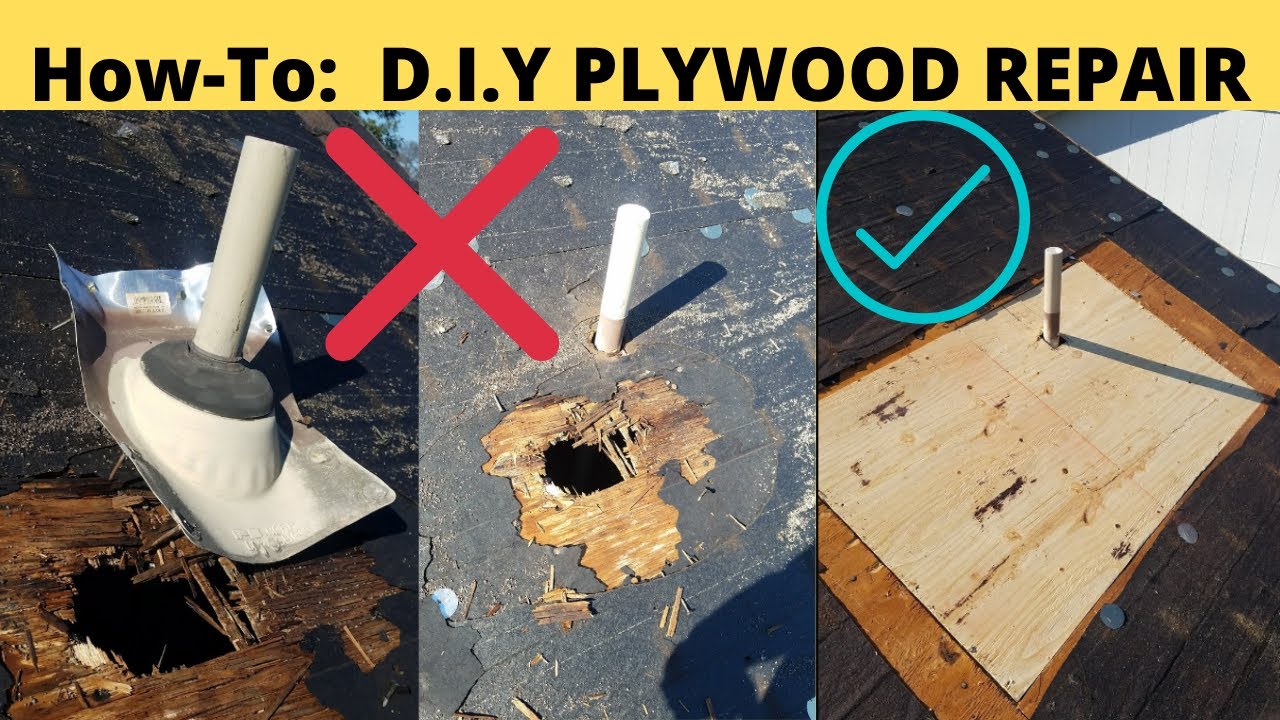
If you have multiple leak points, recurring leaks, or signs that water has traveled beyond the first failure location, replacement tends to become more reasonable. A patch that stops the active leak might not fix the broader problem, and you might find yourself back at the door for Roof Leak Repair sooner than expected.
If the roof shows evidence of structural distortion or significant hazard impacts, the feasibility of repair can diminish. Guidance for evaluating repair versus replacement after hazards like wind, hail, fire, and structural distortion exists in the roof industry, and while some of it may be more explicit for commercial low-slope systems, the core reasoning applies: severe events can alter conditions in ways that simple repairs cannot reliably overcome.
And if you are dealing with Fire Damage Roof Replacement scenarios or any situation where the roof has been materially compromised, do not treat it like ordinary wear and tear. In those cases, evaluation matters for safety and performance, not just appearance.
Choosing contractors that understand both installation and repair
A strong roofing company does not treat installation and repair as separate businesses. They connect the dots between inspection, diagnosis, and execution. That matters for metal roofs, because the details you want right on day one are often the details you would otherwise be paying to redo later.
Look for a contractor who handles roof repair, roof replacement, roof inspections, and emergency storm-damage work. That range is not about being “busy,” it is about knowing the full lifecycle of a roof. When a contractor has done Emergency Roof Repair, they also know how to prevent the repair from becoming a long-term patch job. When they have done Roof Replacement after leaks, they know how to avoid missing secondary damage. When they have done Roof Inspection consistently, they know how to separate visible damage from underlying causes.
Where metal roofs usually shine, and where the decision should slow down
Metal roofing can be an appealing choice for homeowners who want a durable long-term system and a clean, professional look. But “appealing” and “appropriate” are different. The right move depends on your roof’s age, damage pattern, and what your inspection reveals about flashings, ridge areas, penetrations, and the layers beneath.
If your roof is aging and you are already paying for Asphalt Shingle Roof Replacement style decisions, consider whether metal roof replacement is addressing the same core issue: do you need a true reset, or is this a manageable Roof Repair scenario?
If you are in the middle of an emergency and the priority is Emergency Roof Repair, you can still make the long-term decision. Stabilize the roof first, then let the inspection data guide whether you are looking at Roof Replacement or a focused repair plan. That approach keeps you from paying twice, which is what happens when early fixes do not integrate with the full system.
Practical next steps for homeowners
If you are considering metal for residential roof installation, or you are trying to decide between metal roof installation and repair versus replacing an existing system, your next best move is a roof inspection with a clear scope conversation. Bring your questions, but also bring the facts: when the problem started, what changed after storms, and what repairs have already been attempted.
From there, ask the contractor to walk you through the logic. If the decision is Roof Repair, they should be able to explain why the issue appears isolated and how they will prevent recurrence at the relevant flashings or ridge details. If the decision is Roof Replacement, they should explain what will be removed, what new underlayment and roofing materials will be installed, which flashings and ridge caps will be replaced, and how cleanup will be handled.
Metal can be a strong choice when the roof system is treated as a system, not just a covering. The best outcomes come from careful diagnosis, honest repair versus replacement judgment, and installation work that respects the details where water wins if you let it.