Emergency Roof Repair After Storm Damage
When a storm hits, roof damage often shows up in stages. The first signs can be sudden and obvious, like a loud flapping sound or a visible tear near an edge. Other damage is quieter, tucked under shingles, trapped in a seam, or waiting to show up as an interior stain hours or even days later. Either way, the goal of emergency roof repair is the same: stop water intrusion fast, reduce secondary Click here damage, and figure out whether repair is truly enough or if roof replacement is the safer long-term move.
I’ve seen how quickly “it’s probably fine” turns into “why is this still wet?” after the next rain. Emergency work is not just patching. It’s controlled triage, roof leak repair at the right location, and roof inspection focused on what the storm actually did, not only what you can see from the ground.
The first priority is stopping water, not chasing every torn edge
After hail, wind, or heavy rain, water can get past damaged roofing materials even when the visible tear seems small. Manufacturers and roofing education resources consistently frame the decision like this: minor, isolated issues can often be repaired, but widespread damage, recurring leaks, an aging roof, or multiple trouble spots are common signals that replacement may be the better path. That distinction matters on day one, because a rushed patch done in the wrong place can delay the real fix.
Emergency roof repair is about buying time and protecting the building envelope. In practical terms, that means addressing openings, compromised flashing, and areas where water has a clear path inward. It also means controlling the risk of additional leaks while work is being scheduled and materials are staged.
The tricky part is that storms rarely limit damage to one neat spot. Wind can lift edges and corners. Rain can drive water into areas where the roof system has lost its watertight integrity. Hail can create cosmetic damage on the surface while leaving deeper vulnerability around fasteners, seams, or underlayers.
What “emergency” usually looks like on a call
A typical emergency service call starts with an immediate assessment: what symptoms are present, where the building is taking on water, and what looks safe to verify from the exterior. If water is actively dripping inside, it’s already past the point where a “wait and see” approach is reliable.
On a residential emergency, you might see a wet ceiling around an exterior wall, water tracking down drywall, or damp insulation in the attic. On commercial buildings, the warning signs can be just as clear but more variable depending on roof type and interior layout. Low-slope commercial roofs can show signs like puddling or leaks at roof penetrations where flashing details are critical.
The key operational reality is that emergency roof repair also needs a plan for drying and mitigation. Even if you stop the leak quickly, wet materials can still create problems later. Roof repair and roof leak repair are part of the response, but they work best when the damage pathway is stopped promptly and the affected area is properly handled after the roofing fix.
Repair vs. Roof replacement: how pros decide under storm conditions
The most useful question after storm damage is not “can it be patched?” It’s “will repair remain effective through the next weather event?” Rule-of-thumb guidance commonly used in the industry looks at the size and distribution of damage and the roof’s age and condition. If the roof is older, repeatedly leaking, or showing multiple trouble spots, replacement may prevent a cycle of frequent, short-term repairs.
Even with that logic, the storm itself can change what’s feasible. For example, structural distortion or other roof system changes can limit repair options on both residential and commercial roofs. Industry guidance on roof evaluation after hazards like wind, hail, rain, and fire emphasizes that post-event evaluation can identify cases where repair is preferable to full replacement. The deciding factor is whether the roof system still has a sound basis for restoration, or whether the damage pattern suggests that rebuilding the system is the safer route.
The age factor is harder to ignore than people think
An older roof can fail in ways that are not instantly obvious. Materials degrade over time, and storm damage can push already-worn areas into failure. A common lifespan reference for asphalt shingle roofs is about 20 to 30 years. That matters because if your roof is nearing that window or already past it, emergency roof repair done as a patch may only delay the inevitable.
For residential asphalt shingle roofs specifically, emergency roof repair might involve roof repair of lifted or torn sections, but replacement becomes more compelling when hail impacts are widespread or multiple areas show compromised integrity.
Multiple leaks often point to a system problem
A single roof leak repair event can be localized. One damaged flashing detail near a vent can cause a single interior problem. But when you have recurring leaks, multiple interior staining zones, or repeated reappearance after rainfall, you’re often dealing with a broader breakdown of roof performance. That’s one of the reasons guidance notes that multiple trouble spots can justify roof replacement.
What a good roof inspection does after a storm
A roof inspection after storm damage should not be limited to the area where water first showed up. You want the inspection to understand storm impacts and how water moves across your roof system. A professional roof inspection typically includes checking edges, penetrations, flashings, and the condition of the underlayment and related components where accessible.
This matters because emergency roof repair relies on correct diagnosis. If the leak pathway is hidden, the “obvious” damaged spot may only be a secondary symptom. The underlayer and flashing interfaces can be the real problem, and those are not always visible until the damaged materials are lifted or evaluated.
For commercial roof repair, roof inspection often focuses on the low-slope system details and whether the roof membrane and related components remain intact. Commercial roof installation and commercial roof repair work tends to require attention to membrane continuity, seams, and penetrations.
Residential emergency roof repair realities
Residential storms often involve asphalt shingle roofing. Asphalt shingles are widely used in residential construction, and they remain common for roof repair and roof replacement projects. When emergency repairs are needed on an asphalt shingle roof, the visible surface damage is only part of the story, because wind can lift edges and hail can create damage that affects performance.
In practical terms, an emergency residential repair may involve securing or replacing damaged shingle sections, correcting issues at flashing points, and restoring the watertight layers so water has no path inward. If the roof is aging or the storm damage pattern is broad, roof replacement can become the more rational response. Asphalt shingle roof replacement commonly includes removing old materials, installing new underlayment and roofing materials, replacing flashings and ridge caps, and cleaning up the site.
That “whole system” approach is why replacement often feels like a bigger decision. It’s also why it’s sometimes less stressful than repeated repair calls. If you’re dealing with an aging roof where wind events or hail have already taken a toll, emergency repairs can stabilize things temporarily while the replacement planning moves forward.
Commercial emergency roof repair realities
Commercial buildings can be less forgiving when roof leaks start. A flat roof installation and repair scenario might involve seams, penetrations, and drainage patterns where water can collect. Commercial roof repair after a storm often centers on preventing continued water intrusion and evaluating whether the existing roof system can be restored.
Depending on the commercial roofing system, the material types involved might include TPO roofing installation, EPDM commercial roofing, modified bitumen roofing, commercial metal roofing, or PVC roofing. Each of these systems has its own failure patterns, and the storm impacts can affect them differently.
That’s also where the “repair vs. Replacement” judgment becomes especially important. If there’s widespread damage, structural distortion, or evidence that the roof system has lost its integrity beyond localized fixes, commercial roof replacement may be the safest way to avoid a recurring problem. Industry guidance around roof evaluation after hazards points out that fire, hail, and wind can affect whether repair is feasible, which is the same logic storm damage contractors apply when evaluating low-slope systems.
Flashing and penetrations are where storm damage hides
A storm can tear the surface, but the leak often comes from edges and transitions. Flashing is designed to manage water at roof-wall intersections, around vents, and at roof penetrations. When wind lifts material or hail fractures components, flashing performance can be compromised.
This is why emergency roof repair usually includes more than simply replacing surface shingles or membrane sections. Roof leak repair often involves restoring the details that keep water out, not just replacing the outer layer you can see. Roof inspection should include these interfaces and the conditions that make water pathways likely.
In my experience, homeowners and facility managers often remember the worst-looking patch, but the actual leak source may have been a transition point that looked intact. Storm damage is frequently a “how water got in” story, not a “what looks damaged” story.
What to do immediately while waiting for repairs
The emergency stage is stressful because you want the leak stopped right now. At the same time, you don’t want to create additional damage or accidentally make a contractor’s work more difficult.
I’ll keep this practical and focused on safety and damage control, not complicated work. If you have interior leaks, use buckets or tarps to protect belongings and reduce spread. If water is actively dripping, prioritize protecting electrical equipment and clear paths for emergency response teams. Don’t step into areas that look weak or sagging.
Also, document what you can safely document. Take photos of the ceiling stain, the roofline damage you can see from safe angles, and any visible debris fields. Those records help the roof inspection and the eventual decision between roof repair and roof replacement, especially when the damage pattern is not obvious.
A realistic timeline: emergency repair, then decision-making
Emergency roof repair is rarely the end of the job. It’s usually the start of a sequence.
First comes temporary stabilization and watertight control where feasible. Then the contractor follows up with deeper evaluation, sometimes including removal of damaged layers to confirm what lies beneath. That evaluation feeds into the decision about repair versus roof replacement after leak and broader damage.
The roof replacement cost conversation typically depends on roof size, materials, and project complexity, and it can vary widely. One commonly cited reference for asphalt shingle roof replacement cost averaged around $14,959, though the actual number depends on specifics. Even if you’re not planning a replacement immediately, understanding the process and the range helps you avoid getting blindsided later.
Commercial roof replacement cost can be similarly influenced by building access, the type of roofing system, and how much of the roof must be addressed to restore performance. Your contractor should explain what’s being evaluated and why the scope might change based on findings during inspection.
What a storm-damaged roof replacement process often includes
When replacement is the better option, it’s helpful to know what “replacement” generally means so you can recognize a thorough scope. A typical roof replacement includes removing old roofing materials, installing new underlayment and roofing materials, replacing flashings and ridge caps, and cleaning up the site. That sequence matters because flashings and underlayment are where water control is built.
For residential asphalt shingles, roof replacement often includes ridge cap replacement because ridge details take wind-driven weather stress. For commercial roofs, replacement scope varies by system, but the same principles apply: remove compromised materials, restore continuity, handle penetrations and transitions correctly, and leave the roof clean and ready for long-term performance.
Trade-offs: when emergency repair makes sense, and when it doesn’t
There are valid reasons to choose roof repair even after storm damage. If the roof is relatively new, the damage is truly isolated, and the roof system underneath appears sound, repair can restore integrity without the disruption of replacement. Guidance commonly frames small, isolated problems as repairable, while widespread damage and aging conditions may favor replacement.
On the other hand, there are times when emergency roof repair becomes a short-term bandage. If hail impacts are distributed across large areas, if multiple penetrations have failed details, or if the roof is older and the storm revealed widespread weakness, replacement often prevents repeated emergency calls. An aging roof replacement approach can be more cost-effective than a series of patches that don’t address the root cause.
For facility managers and homeowners alike, the best decision is rarely emotional. It’s grounded in the roof inspection findings and whether the roof system has a reliable base for repair.
A quick “does this feel repairable?” gut check
Repair tends to be more reasonable when the damage pattern is limited and the affected layers can be addressed comprehensively without leaving a patchwork of weakened areas. Replacement tends to be more reasonable when the roof is older, damage is widespread, leaks are recurring, or multiple trouble spots keep showing up after storms.
That’s also consistent with the common industry rule of thumb used in homeowner education materials, and it aligns with the idea that post-event evaluation helps decide when repair is preferable to replacement.
Material-specific notes you might hear from your contractor
Storm damage decisions sometimes include a conversation about material type, because roof performance depends heavily on how the roof is built.
In residential work, you’ll often hear about asphalt shingle roofing, and replacement options include asphalt shingle roof replacement. In some regions, you may encounter slate roof installation and repair or tile roof installation and repair, as well as cedar shake roofing and wood shake roofing. Those materials can be more specialized, and storm response may involve targeted repairs when individual units are damaged.
In commercial settings, you might hear about TPO roofing installation, EPDM commercial roofing, modified bitumen roofing, commercial metal roofing, or PVC roofing. For flat roof installation and repair, rubber roofing EPDM is another term you may hear, especially when discussing membrane roofs.
The practical point is that emergency roof repair should match the system. A “one-size-fits-all” patch approach is how roofs end up with recurring leaks.
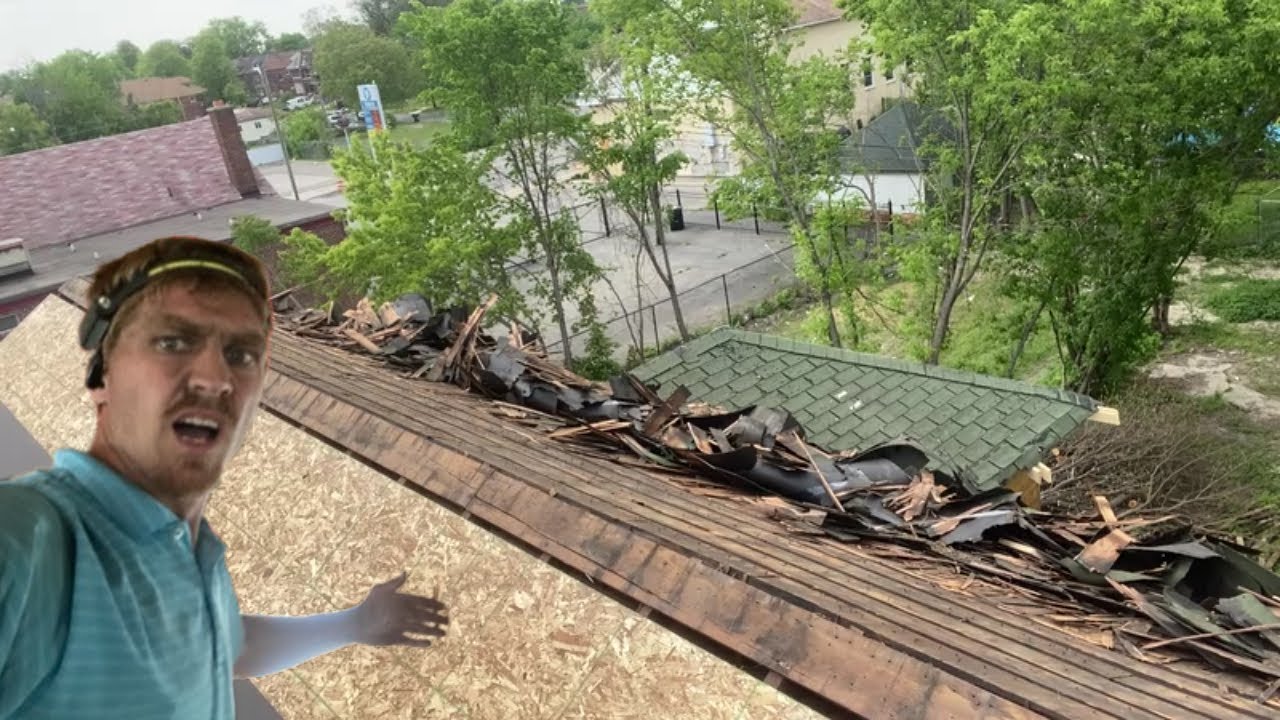
Safety and workmanship: why “temporary” repairs should still be done correctly
Emergency repairs are urgent, but urgency doesn’t excuse sloppy work. If a contractor rushes flashing details, underlayment interfaces, or drainage edges, the roof may look better immediately while still failing later.
When emergency crews arrive, you want to see evidence of method, even if the schedule is tight. That includes clean removal of damaged materials, correct fastening and sealing where applicable to your roofing system, and attention to edges and penetrations.
I’ve also seen the opposite: a careful approach that takes a little longer but avoids returning twice. The best crews treat emergency roof repair as serious restoration, not improvisation.
Questions worth asking your contractor during emergency service
If you’re trying to move quickly, a few well-chosen questions help you get clear answers without getting stuck in paperwork.
Here are the questions that usually matter most.
- Where is the leak pathway coming from, and what parts of the roof system are you checking beyond the obvious damage?
- Does the storm damage look isolated, or are there multiple trouble spots that suggest roof replacement?
- If you repair first, what would trigger a recommendation for roof replacement after leak findings?
- Are flashings, ridge caps, and penetrations part of the scope, or are we only patching surface roofing materials?
- What does the plan look like for roof inspection follow-up once conditions are safe and materials can be evaluated properly?
A professional will answer directly and explain their reasoning. If the response is vague, or if the contractor avoids discussing the inspection findings that drive repair-versus-replacement, that’s a signal to slow down and clarify.
Keeping storm damage from turning into a long-term problem
Even after repairs are completed, storm events can leave lingering effects. A good roof inspection after the work is done can confirm the roof is functioning as intended. For homeowners, that can mean confirming no new leaks appear after the next rain and monitoring attic ventilation if you have one.
For commercial properties, maintenance and inspection practices matter because a roof leak can impact interior finishes, equipment, and operations. Commercial roof repair is often more effective when paired with proactive roof inspection and follow-up work when damage is discovered early.
The best outcomes tend to come from two things done well: emergency action that stops the immediate leak, and a decision process that respects what the roof inspection reveals about the underlying system.
The cost and planning conversation, without the guesswork
Cost is part of every emergency roof repair decision, even when everyone’s focused on the urgent problem. Replacement cost can be discussed in terms of variables rather than promises, because factors like roof size, materials, and complexity drive the final number.
For asphalt shingle roofs, one commonly referenced figure places an average roof replacement cost around $14,959, but it’s not a guarantee. That range reality is why the roof inspection matters. When contractors open up areas during evaluation, they can confirm whether the job is a true repair or a replacement scope.
If you end up needing roof replacement after leak, the earlier you identify the real condition of the roof system, the smoother the transition usually is. Emergency repairs stabilize the situation, but thorough inspection is what makes the final plan reliable.
When fire damage and storm damage overlap
Sometimes property damage isn’t just from weather. If there was fire damage roof replacement involved or secondary damage after an emergency event, the evaluation changes. Fire can affect materials in ways that are not limited to visible charring. That’s one reason guidance highlights that hazards like fire can change whether repair is feasible, and post-event evaluation becomes even more important.
If you have mixed damage, don’t assume the roofing system is intact just because parts look unaffected. A serious contractor will treat this as a system assessment, not a surface fix.
How emergency work connects to long-term roof replacement strategy
Emergency roof repair after storm damage is a gateway to better decisions. It forces the roof inspection question into the open, and it gives you a chance to evaluate the overall condition of the roof system.
If repair is feasible, you can restore integrity and protect the property while you plan longer-term maintenance. If replacement is justified, you can move forward with confidence because the scope is tied to what was found, not guesswork.
Either way, a quality contractor will make the repair-versus-replacement decision grounded in the pattern of damage, the roof’s age and condition, and the feasibility of restoring the roof system reliably. That approach protects you from the most expensive failure mode: repeated emergency repairs that never fully solve the root issue.
If you’re facing storm damage right now, the best next step is simple: get an emergency roof inspection so the leak pathway is identified, the roof system is evaluated, and the response matches the real condition of your roof. Quick action stops water. Good judgment prevents the problem from coming back the next time the weather turns.